The figure of the colosseum gladiator is one of the most powerful and enduring symbols of ancient Rome. More than a fighter, the gladiator was a performer, a social paradox, and a central element of Roman public life. Inside the Colosseum, gladiators embodied strength, discipline, suffering, and spectacle, transforming violence into ritualized entertainment that reflected Roman values and political power. Understanding the true role of the colosseum gladiator allows us to move beyond cinematic myths and discover the complex reality behind the arena.
The Colosseum itself was not simply a venue for combat. It was a carefully designed space where architecture, crowd psychology, and imperial authority converged. Within this environment, the gladiator became both victim and hero, feared and adored, condemned and celebrated.
Who Was a Colosseum Gladiator?
A colosseum gladiator was a professional combatant trained specifically to fight in the arena of Rome’s most famous amphitheater. Most gladiators were slaves, prisoners of war, or criminals sentenced to fight. However, a significant number were free men who volunteered, known as auctorati. These individuals willingly surrendered their legal rights in exchange for training, food, potential wealth, and the possibility of fame.
Regardless of origin, all gladiators were bound by strict contracts and lived under constant supervision. Their lives were controlled, disciplined, and dangerous. Yet paradoxically, they could achieve a level of popularity unmatched by ordinary Roman citizens.
This contradiction—social disgrace combined with mass admiration—defined the identity of the colosseum gladiator.
Training and Daily Life
The life of a colosseum gladiator was shaped by relentless training. Gladiators lived in specialized schools called ludi, often located near the Colosseum. These schools functioned like fortified barracks, where fighters trained, slept, ate, and healed.
Training was highly specialized. Gladiators practiced specific movements and techniques based on their fighting style, repeating drills until reactions became instinctive. Wooden weapons heavier than real ones were used to build strength and precision. Physical conditioning was constant, focusing on endurance rather than brute force.
Diet played a key role. Gladiators consumed a carbohydrate-rich diet based on barley, beans, and grains, earning them the nickname hordearii (“barley eaters”). This diet helped build muscle mass and protect the body from serious wounds.
Medical care was advanced by ancient standards. Because gladiators were valuable investments, professional doctors treated injuries and ensured fighters could return to combat.
Gladiator Types and Combat Styles
One of the defining characteristics of the colosseum gladiator was specialization. Gladiators were divided into classes, each with distinct weapons, armor, and tactics. These differences created balanced and visually compelling matchups.
Some gladiators fought heavily armored, using large shields and short swords. Others relied on speed, agility, and unconventional weapons. Matchups were carefully planned to ensure fairness and excitement, not random slaughter.
Fights were governed by rules and overseen by referees. The goal was not immediate death, but skillful combat that entertained the audience. A gladiator’s success depended on technique, discipline, and crowd approval.
The Arena Experience
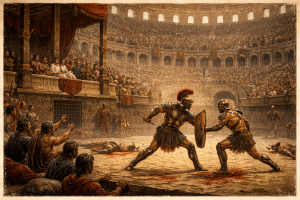
Entering the Colosseum was the defining moment in a gladiator’s life. The roar of tens of thousands of spectators created an overwhelming atmosphere. Every movement was watched, judged, and remembered.
The crowd played an active role in the fate of the colosseum gladiator. Spectators expressed approval or disapproval vocally, influencing decisions made by officials and sponsors. A well-fought battle could earn mercy for a defeated gladiator, while a poor performance could mean death.
This interaction between fighter and audience transformed combat into a shared civic experience. Gladiators were not fighting in isolation—they were performing for Rome itself.
Death, Survival, and Reality
Contrary to popular belief, gladiators did not fight to the death in every match. Training a gladiator was expensive, and skilled fighters were valuable assets. Many gladiators survived multiple bouts and fought for years.
Death was a possibility, but not the objective of every fight. Discipline, control, and performance mattered more than reckless aggression. A colosseum gladiator who demonstrated courage and skill could earn survival, rewards, and long-term fame.
Understanding this reality helps separate historical truth from modern exaggeration.
Social Status and Fame
Legally, gladiators were considered infames, excluded from many civic rights and social honors. Roman elites publicly condemned gladiators as morally inferior. Yet at the same time, gladiators were admired by the masses.
Their names appeared in graffiti, their images decorated household items, and their victories were celebrated. Some gladiators gained sponsorships, gifts, and romantic attention. This paradox reveals much about Roman society, where violence could be both despised and celebrated.
The colosseum gladiator embodied this contradiction more than any other figure in Roman culture.
Political Power and the Colosseum
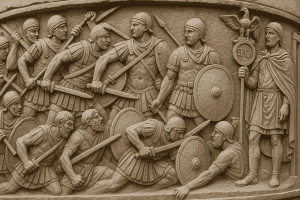
Gladiatorial games were deeply political. Emperors financed spectacles to gain popularity, demonstrate generosity, and reinforce authority. The Colosseum itself was a symbol of imperial control, capable of organizing massive crowds with precision.
By sponsoring gladiatorial games, rulers connected themselves to the emotions of the people. Victory in the arena became a metaphor for Roman dominance over enemies and chaos.
In this sense, the colosseum gladiator was not only an entertainer, but also a tool of imperial messaging.
Myths About Colosseum Gladiators
Modern films often portray gladiators as constantly fighting to the death in brutal chaos. Historical evidence suggests a more structured and regulated reality. Gladiators trained extensively, followed rules, and fought under supervision.
While violence was real, it was controlled. Understanding this distinction is essential for appreciating the sophistication of Roman spectacle and the discipline behind it.
The Legacy of the Colosseum Gladiator
The legacy of the colosseum gladiator endures because it touches universal themes: survival, honor, fear, and fame. Gladiators represent the human struggle within systems of power and control.
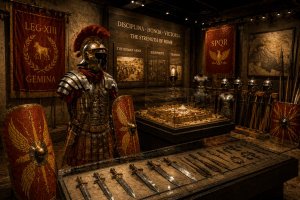
Today, museums, archaeological sites, historical research, and digital platforms keep this legacy alive. Through art, reconstructions, and analysis, modern audiences can explore the reality behind the myth.
Websites such as Resmilitares examine Roman military and gladiatorial culture through historically informed content and visual interpretation, offering deeper insight into ancient Rome beyond popular stereotypes.
Why the Colosseum Gladiator Still Matters
Studying the colosseum gladiator helps us understand how societies use spectacle, violence, and performance to express values and maintain control. It also reminds us that behind every helmet and sword was a human being navigating fear, discipline, and hope.
The gladiator’s story is not only about ancient Rome—it is about power, identity, and memory across history.
To explore Roman military history, gladiatorial culture, and artistic reconstructions inspired by ancient Rome, visit our website
Frequently Asked Questions (FAQ)
What was a colosseum gladiator?
A colosseum gladiator was a professional fighter trained to perform in the Roman Colosseum, engaging in regulated combat for public entertainment.
Did colosseum gladiators always fight to the death?
No. Many fights ended without death, as skilled gladiators were valuable and carefully managed.
Why is the colosseum gladiator still important today?
Because the colosseum gladiator represents Roman culture, spectacle, and the complex relationship between violence and society.