Rome offers countless ways to explore its past, but few are as immersive as stepping into the world of Roman military training. Understanding ancient roman soldiers armor is not just about observing museum pieces—it’s about experiencing how these warriors lived, trained, and fought. Today, visitors can go beyond traditional tours and take part in authentic activities that recreate the discipline and techniques of Roman legionaries.
These experiences transform history into something tangible. Instead of imagining the weight of armor or the precision of military drills, you can feel it firsthand in carefully designed training sessions available in Rome.
Ancient Roman Soldiers Armor and Legionary Training
The effectiveness of the Roman army was not accidental. It was built on rigorous training, discipline, and the strategic use of ancient roman soldiers armor. This armor was not only protective but also designed to enhance mobility and coordination in battle.
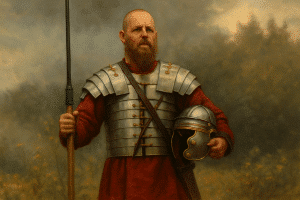
A typical Roman legionary was equipped with:
- The lorica segmentata (segmented armor for torso protection)
- A galea (helmet) designed to deflect blows
- A large rectangular shield (scutum)
- A short sword (gladius) for close combat
Training was intense and repetitive. Soldiers practiced drills daily, often using equipment heavier than what they would carry in battle to build endurance. This method ensured that, in real combat situations, they could move faster and fight more effectively.
Modern experiences in Rome aim to replicate these elements, allowing participants to understand how armor influenced movement, posture, and combat techniques.
How Roman Legionary Training Worked
Roman military training was systematic and highly organized. It focused not only on physical strength but also on coordination, discipline, and obedience.
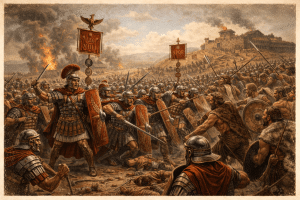
A key aspect of training involved mastering formations. Soldiers needed to move as a single unit, maintaining alignment and timing even under pressure. The famous testudo formation, where shields were used to create a protective shell, is one of the most iconic examples.
Training also included:
- Marching long distances with full gear
- Practicing weapon techniques with wooden training tools
- Building camps and fortifications
- Repeating drills until movements became instinctive
Understanding ancient roman soldiers armor was central to all of this. The armor dictated how soldiers moved, how they held their weapons, and how they protected themselves and their comrades.
From History to Reality: Experiencing It in Rome
Today, Rome offers unique opportunities to relive this training through immersive experiences. These activities are designed to bridge the gap between historical knowledge and physical experience.
Participants can:
- Wear replicas of ancient roman soldiers armor
- Practice coordinated drills with other participants
- Learn authentic commands and movements
- Engage in simulated combat exercises
This type of experience provides a deeper understanding of Roman military life. It’s no longer just about reading or watching—it’s about doing.
One of the best places to enjoy these experiences is Res Militares. The activities are designed to be both educational and engaging, making them suitable for all types of visitors.
You can explore available experiences and book directly at Res Militares.
Why Ancient Roman Soldiers Armor Matters Today
At first glance, ancient roman soldiers armor might seem like a purely historical topic. However, it plays a crucial role in understanding how the Roman Empire achieved its military success.
The design of the armor reflects a balance between protection and efficiency. Unlike heavier medieval armor, Roman equipment allowed for flexibility and speed, which were essential in coordinated group combat.
By experiencing this armor firsthand, participants gain insight into:
- The physical demands placed on soldiers
- The importance of teamwork in battle
- The innovation behind Roman military engineering
These insights help explain why Roman legions were able to dominate for centuries.
A Unique Experience for Modern Travelers
A Roman legionary training experience is not just for history enthusiasts. It appeals to a wide audience, including families, groups, and travelers looking for something different.
Unlike traditional sightseeing, this activity is interactive and memorable. It encourages participation, learning, and collaboration, making it ideal for:
- Families with children interested in history
- Couples seeking unique activities in Rome
- Groups looking for team-based experiences
Because of its hands-on nature, it often becomes one of the most memorable parts of a trip.
Tips for Getting the Most Out of Your Experience
To fully enjoy your Roman training experience, a bit of preparation can make a big difference.
- Wear comfortable clothing suitable for movement
- Stay hydrated, especially during warmer months
- Be ready to participate actively
- Choose a reputable provider like Res Militares for authenticity
Booking in advance is also recommended, as these experiences are increasingly popular among visitors to Rome.
Roman legionary training is one of the most fascinating aspects of ancient history, and understanding ancient roman soldiers armor is key to appreciating how these soldiers operated. Today, Rome offers the unique opportunity to move beyond observation and step directly into the role of a legionary.
Through immersive experiences, visitors can connect with history in a meaningful way—feeling the weight of the armor, practicing the drills, and gaining insight into one of the most powerful military forces ever created.
If you’re looking for an activity that combines education, entertainment, and authenticity, exploring Roman military training through Res Militares is an excellent choice.
FAQ
What is ancient roman soldiers armor made of?
Ancient roman soldiers armor was typically made from iron or steel, combined with leather elements to provide both protection and flexibility.
Can tourists try Roman legionary training in Rome?
Yes, several providers offer immersive experiences where visitors can participate in training sessions inspired by Roman military practices.
Is the experience suitable for beginners?
Absolutely. These experiences are designed for all levels and provide guidance throughout the activities.